El mercado de ejecutivos fractional creció un 310% entre 2020 y 2025 (Fractionus, 2025). En el segmento de People & Culture, ese crecimiento responde a un problema estructural concreto: las empresas en etapa de escala necesitan dirección estratégica de People, pero el costo de armar una gerencia tradicional es incompatible con su estructura financiera.
The fractional executive market grew 310% between 2020 and 2025 (Fractionus, 2025). In the People & Culture segment, that growth responds to a concrete structural problem: companies in scale-up stage need strategic People leadership, but the cost of building a traditional management structure is incompatible with their financial reality.
Por qué el modelo Fractional resuelve algo que el modelo tradicional no puedeWhy the Fractional model solves something the traditional model can't
Una estructura mínima viable de People & Culture para una empresa de 100-200 personas cuesta, anualmente, el doble de lo que costaría con un modelo fractional. Ese número no incluye el costo de reemplazar a alguien cuando se va — lo que sucede con frecuencia en el área.
A minimum viable People & Culture structure for a company of 100-200 people costs annually twice what it would cost with a fractional model. That number doesn't include the cost of replacing someone when they leave — which happens frequently in this area.
Sin embargo, el problema principal no es el costo — es que el conocimiento se va con la gente. Cada vez que hay rotación, la empresa pierde memoria institucional y empieza de cero: procesos que tardaron meses en construirse desaparecen. El reemplazo tarda entre tres y seis meses en alcanzar el nivel operativo del anterior.
However, the main problem isn't the cost — it's that knowledge leaves with the people. Every time there's turnover, the company loses institutional memory and starts from zero: processes that took months to build disappear. The replacement takes three to six months to reach the operational level of the previous person.
El modelo Fractional resuelve el problema de construir la infraestructura y dejarla funcionando sin que el conocimiento dependa de quien lo construyó. The Fractional model solves the problem of building the infrastructure and leaving it running — without the knowledge depending on whoever built it.
El modelo BOT (Build, Operate, Transfer) que aplicamos en ALL funciona en tres fases: diagnóstico del ecosistema real, construcción de la arquitectura de People desde los cimientos, y transferencia a un perfil interno entrenado. Cuando salimos, el sistema funciona solo.
The BOT model (Build, Operate, Transfer) we apply at ALL works in three phases: real ecosystem diagnostic, building the People architecture from the ground up, and transfer to a trained internal profile. When we leave, the system runs on its own.
Los números detrás del crecimientoThe numbers behind the growth
Fractionus, 2025
Mercer, 2024
El crecimiento del mercado fractional refleja un cambio más amplio en cómo las empresas conciben la expertise. El modelo de contratar expertise a tiempo completo tiene sentido cuando el problema es permanente y de alta frecuencia. Cuando el problema es temporal, puntual o de alta especialización, el modelo fractional produce mejor retorno.
The growth of the fractional market reflects a broader shift in how companies think about expertise. Hiring full-time expertise makes sense when the problem is permanent and high-frequency. When the problem is temporary, specific or highly specialized, the fractional model produces better return.
Tres casos de intervenciónThree intervention cases
Caso 01
Reestructuración y mejora en flujo de procesosRestructuring and process flow improvement
Una empresa mediana en Argentina tenía nómina sobredimensionada y procesos confusos. Mapeamos la arquitectura real de roles, identificamos ineficiencias ocultas y rediseñamos la estructura sin interrumpir operaciones ni generar contingencias legales, incorporando digitalización y automatización. Resultado: reducción del 30% en costos de masa salarial con operatividad sostenida durante todo el proceso.
A mid-size company in Argentina had an oversized payroll and unclear processes. We mapped the real role architecture, identified hidden inefficiencies and redesigned the structure without disrupting operations or triggering legal contingencies, incorporating digitization and automation. Result: 30% reduction in payroll costs with sustained operability throughout the process.
Caso 02
Reducción de siniestralidad en operaciones de campoReduction in accident rates in field operations
Una empresa con personal en campo tenía protocolos de seguridad implementados y no respetados. El diagnóstico mostró que el problema era cultural, no procedimental. Mapeamos la cultura informal, rediseñamos el plan preventivo desde los líderes reales e incorporamos el indicador de siniestralidad como KPI de gestión directiva. Resultado: incremento del 800% en auditorías preventivas en campo y reducción del 55% en días perdidos por accidentes laborales.
A company with field personnel had safety protocols implemented but not followed. The diagnostic showed the problem was cultural, not procedural. We mapped the informal culture, redesigned the prevention plan around real leaders and incorporated the accident rate as a management KPI. Result: 800% increase in preventive field audits and 55% reduction in lost workdays due to accidents.
Caso 03
Construcción de área de People desde cero en empresa techBuilding a People area from scratch in a tech company
Una startup tecnológica crecía rápido pero perdía talento a la misma velocidad. Diseñamos la EVP, construimos la marca empleadora y dejamos procesos de hiring y onboarding operativos con un generalista interno entrenado. La rotación en perfiles técnicos se estabilizó en los trimestres siguientes al cierre de la intervención.
A tech startup was growing fast but losing talent at the same rate. We designed the EVP, built the employer brand and left functional hiring and onboarding processes with a trained internal generalist. Technical role turnover stabilized in the quarters following the close of the intervention.
¿Qué tipo de empresa se puede beneficiar con este modelo?What type of company can benefit from this model?
El modelo Fractional genera más valor cuando la empresa está en el momento en que los procesos informales no ayudan a escalar: hay crecimiento, pero la estructura de People no acompaña. La primera señal es que las decisiones de People están bloqueando decisiones de negocio. La segunda es que el conocimiento del área vive en personas y no en sistemas.
The Fractional model generates most value when the company is at the point where informal processes no longer support scaling: there's growth, but the People structure isn't keeping pace. The first signal is that People decisions are blocking business decisions. The second is that area knowledge lives in people and not in systems.
Fractional Head of People · by all
Primera reunión sin costo. Sin compromiso.First meeting at no cost. No commitment.
Si no hay fit real, no hay propuesta.If there's no real fit, there's no proposal.
Ver Fractional HR → See Fractional HR →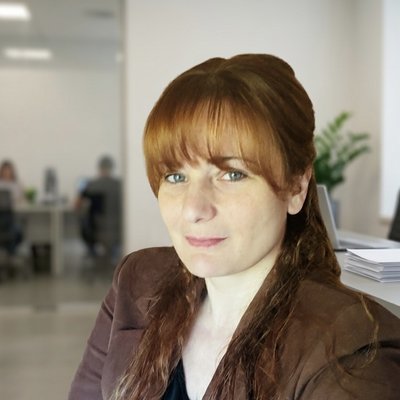
Sabrina Baldo Co-Fundadora y CSO de Authentic Leadership Lab. Diseñó la Authentic Leadership Methodology™. Investigación doctoral en curso · MBA · Especialización RRHH. Co-Founder and CSO of Authentic Leadership Lab. Designed the Authentic Leadership Methodology™. Doctoral candidate · MBA · HR Specialization.